PRODUCT
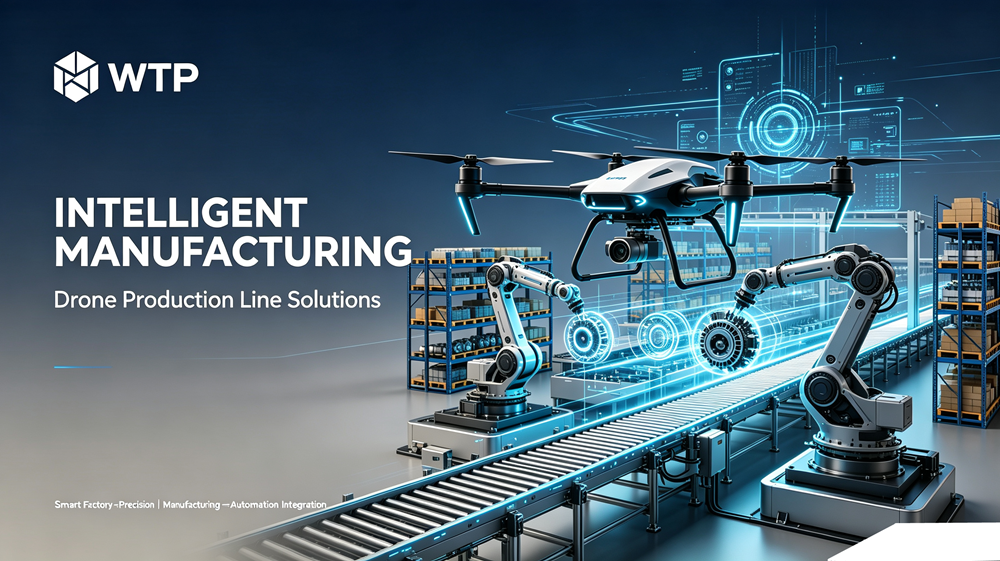
Drone UAV / UAS Quadcopter RPAS / RPA assembly production line testing line China
UAV Production Line
A UAV production line refers to an intelligent manufacturing system. It assembles individual parts such as structural components, circuit boards, motors and sensors into finished UAVs in batches through automatic or semi-automatic assembly lines, and conducts full inspection, calibration and packaging afterwards.
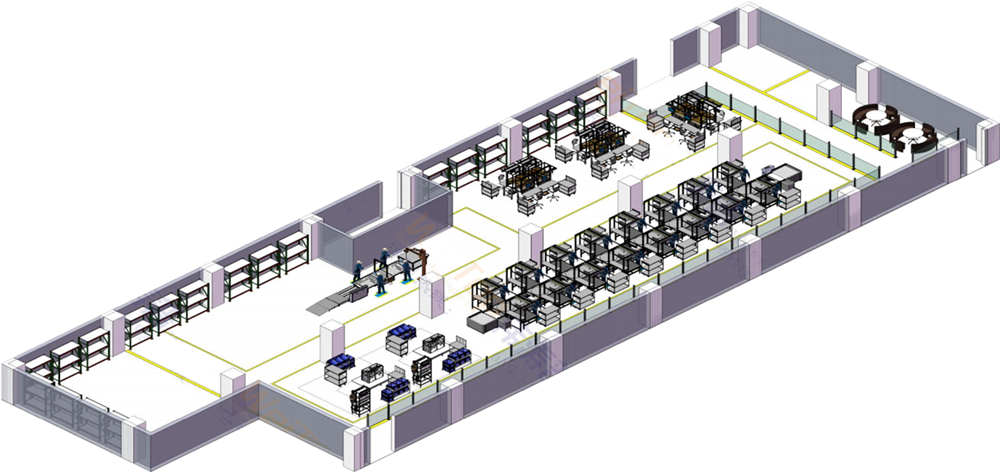
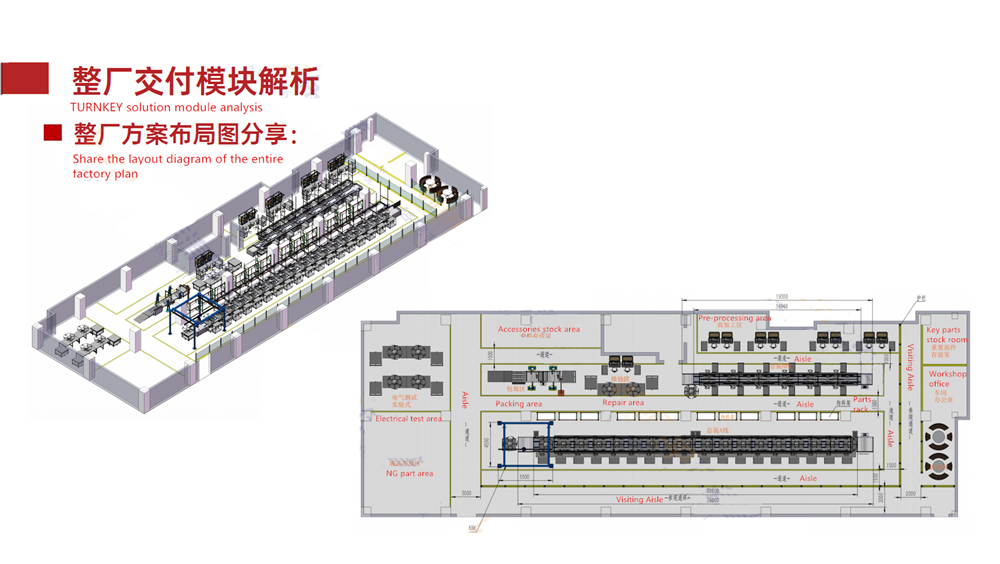
Main Zones of a Standard Production Line
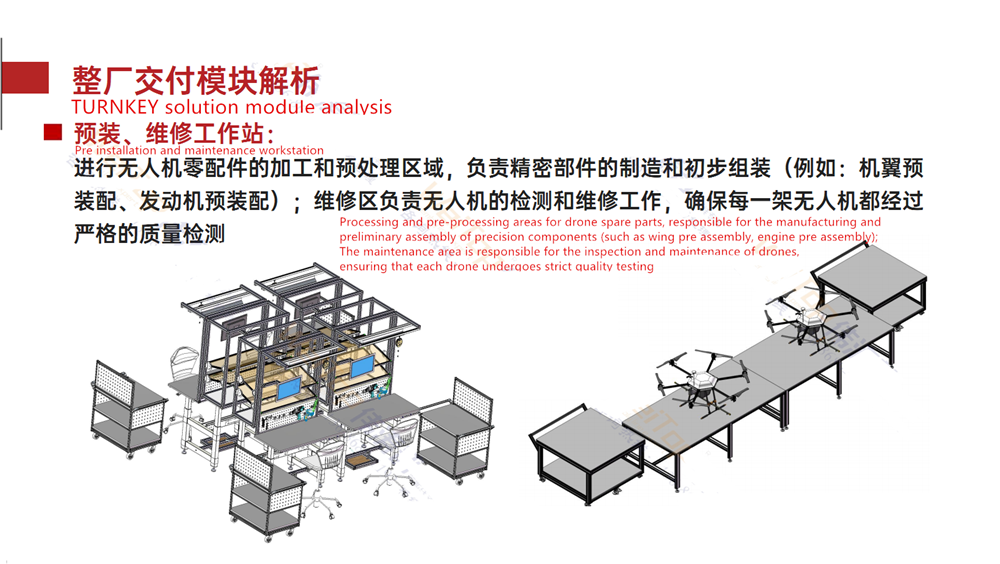
1. Component Preprocessing Area
Structural parts like carbon fiber and plastic frames are processed, polished and finished. Electronic components such as flight control boards and GPS modules go through SMT mounting and soldering. Motors are assembled and balanced. AGV systems are applied for automatic material handling and product traceability.
2. Precision Assembly Area
This area focuses on core component assembly. It includes flight controller installation, glue dispensing, screw fastening and firmware flashing, as well as high-precision IMU calibration. Gimbal and camera units are assembled, adjusted and balanced. Motors and electronic speed controllers are connected and tested for insulation performance.
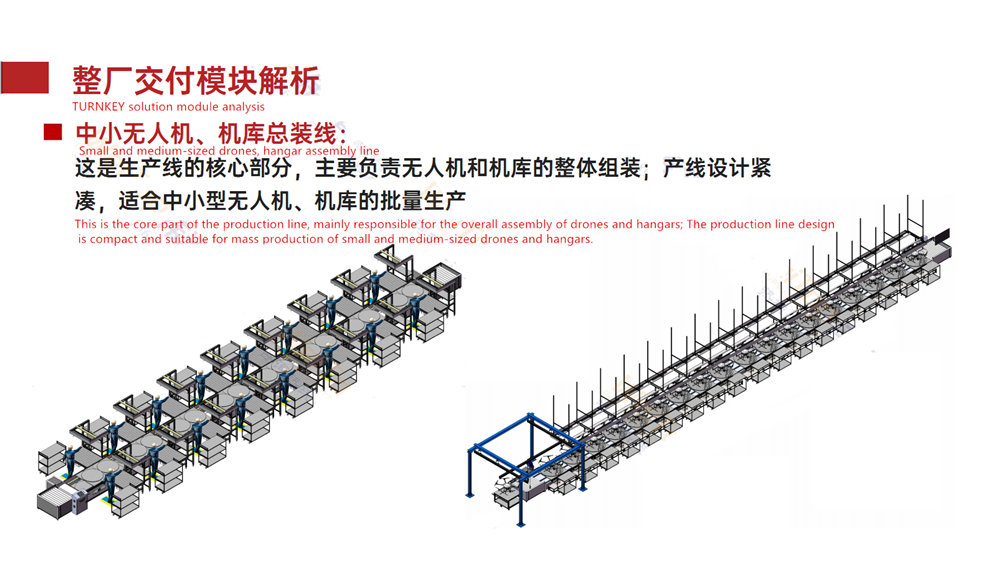
3. Final Assembly Line
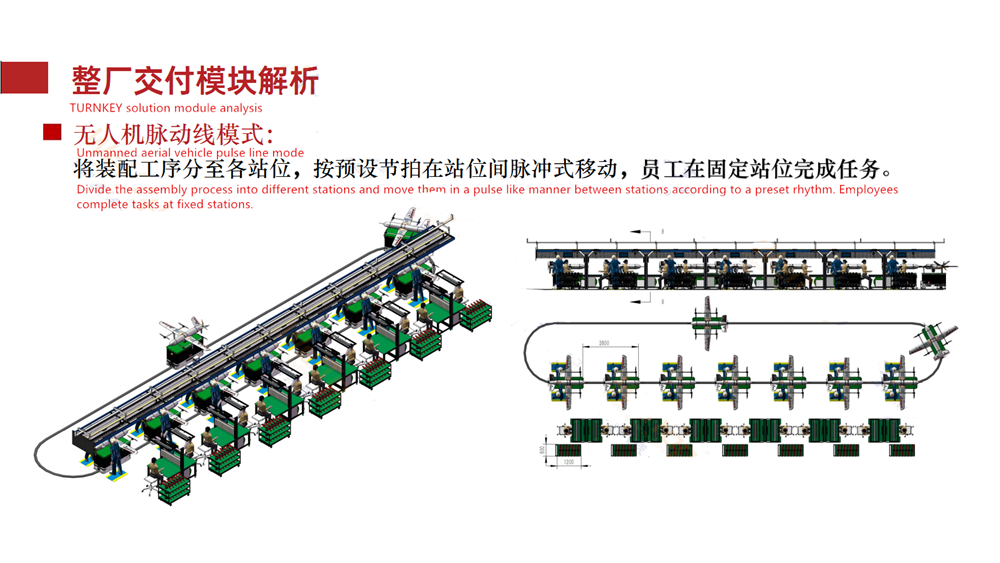
Workers and tooling fixtures assemble frames, arms, motors and propellers. Sensors, wiring and power systems are installed step by step. The production adopts pulse-type stations to ensure continuous workflow.
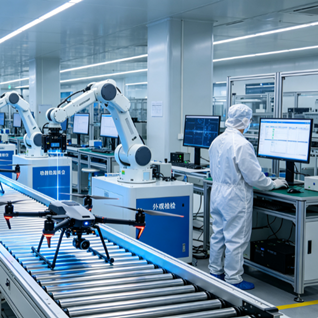
4. Complete Machine Testing Line
Comprehensive electrical performance tests are carried out on voltage, current and circuit protection. Calibration is performed for IMU, gyroscope, compass, barometer and GPS. Functional tests cover remote control, image transmission, obstacle avoidance and stable hovering. Some units also undergo vibration, temperature and water resistance tests. Each UAV is assigned a unique SN code for full lifecycle traceability.
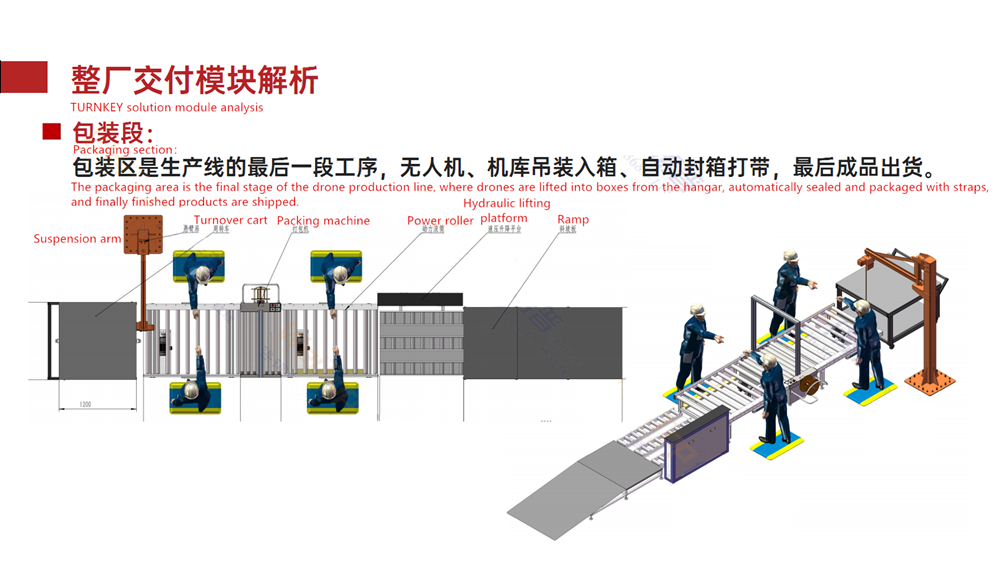
5. Packaging & Outbound Area
Final visual inspection is conducted. Products are labeled, packed with accessories, sealed and delivered to the warehouse.
Types of Production Lines
· Automatic Production Line: Equipped with robotic arms, vision inspection and AGV equipment. Minimal manual operation, designed for high-volume mass production.
· Semi-automatic Production Line: Combines manual work with jigs and automatic testing, widely used for industrial UAVs.
· Flexible Production Line: Supports fast model changeover, capable of producing multiple UAV models on one line.
Key Performance Indicators
· Production cycle: 15–30 minutes per unit for industrial UAVs; shorter for consumer models
· Assembly precision: up to ±0.01 mm
· Overall yield rate: ≥ 99.5%
· Annual capacity: 50,000 to 500,000 units per single line
UAV Pulse Production Line Composition
1. Pre-component Prefabrication Workshop (Upstream Supporting Section)
1.1 Composite Material Forming Section
Carbon fiber layup, autoclave processing, CNC cutting, fuselage/wing skin fabrication, frame bonding, mold development.
1.2 PCBA Electronic Prefabrication Line
SMT mounting, soldering of flight controller & ESC circuit boards, AOI visual inspection, IMU preliminary calibration, circuit board conformal coating.
1.3 Power Component Pre-assembly Unit
Brushless motor assembly, reducer fitting, engine pre-installation, propeller dynamic balance test, battery PACK assembly.
1.4 Payload Pre-assembly Unit
Gimbal assembly, EO/IR pod integration, sensor fitting, LiDAR module pre-assembly.
2. Core UAV Pulse Main Assembly Line
2.1 Pulse Conveying & Carrier System
· Option 1 (Small & medium multi-rotor / agricultural UAV): ESD accumulation speed chain pulse line, equipped with stoppers, tooling pallets, anti-static workbenches and positioning locking mechanisms.
· Option 2 (Fixed-wing / VTOL / large industrial UAV): Heavy-duty lifting AGV system, height-adjustable tooling brackets, magnetic/laser navigation, millimeter-level positioning for mixed flexible production.
Auxiliary facilities: Gantry cranes, mobile access ladders, dust isolation enclosures.
2.2 Standard Pulse Assembly Stations (Typical 6–10 stations, adjustable)
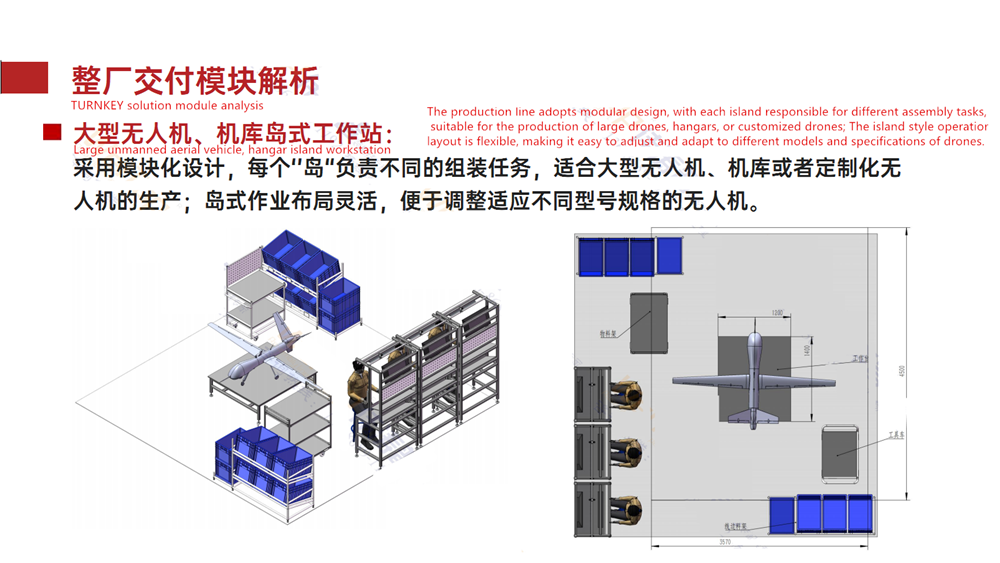
Classic Station Layout for Large Fixed-Wing UAV
Station 1: Fuselage joining & structural pre-assembly
Section splicing, frame installation, sealing treatment, wiring channel reservation.
Station 2: Cable routing & wiring harness integration
Main wiring harness laying, cable fixing, preliminary harness continuity inspection.
Station 3: Avionics system installation
Flight controller, navigation module, data link & video link, power module mounting.
Station 4: Power system assembly
Motor/aero-engine installation, transmission mechanism, fuel tank assembly (fuel-powered UAV).
Station 5: Wing, empennage & actuator assembly
Wing, vertical stabilizer, horizontal stabilizer, servo and landing gear fitting.
Station 6: Payload & external equipment mounting
EO pod, radar, communication antenna and mission payload installation.
Station 7: Mechanical calibration & center-of-gravity adjustment
Control surface clearance debugging, UAV weighing, CG verification, torque recheck for fasteners.
Station 8: Initial power-on inspection, transfer to offline comprehensive testing.
Simplified layout for multi-rotor UAV: Frame assembly → Motor & ESC fitting → Flight controller installation → Wiring harness assembly → Gimbal & prop base mounting → Fastener tightening → Power-on commissioning.
2.3 Station Assembly Equipment
Servo torque-controlled electric screwdrivers with traceable data, automatic screw locking robots, precision dispensers, pressing machines, riveting tools, collaborative robots for handling, laser trackers, 3D measuring tooling, electronic SOP displays, barcode scanners, ESD workstations.
3. Final Testing & Offline Section at End of Pulse Line
3.1 UAV comprehensive electrical test bench
Full-system power-on test, bus communication verification, sensor signal acquisition.
3.2 Precision IMU calibration station
Multi-axis turntable inertial navigation calibration, compass calibration, temperature drift compensation.
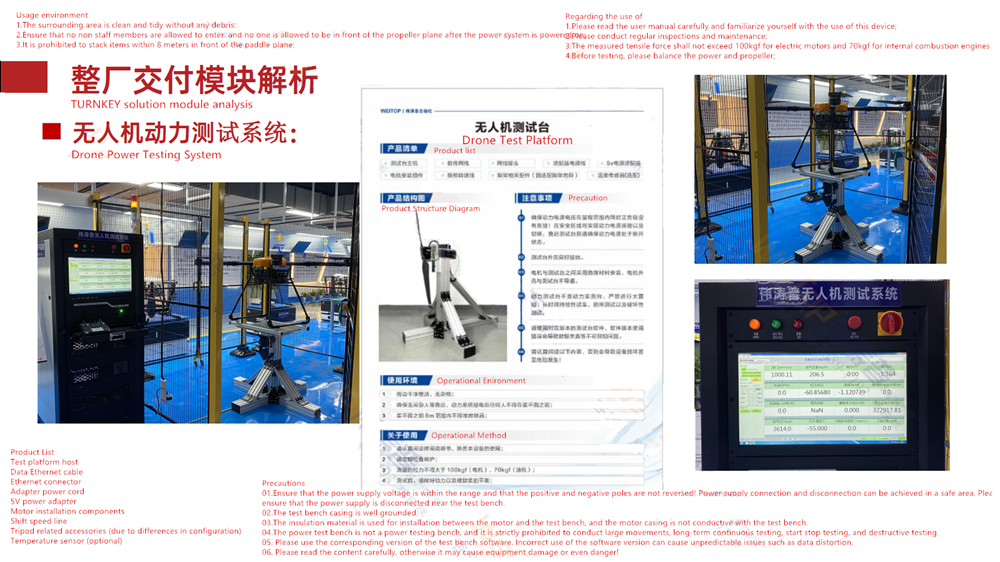
3.3 Power bench test
Motor/engine no-load & loaded performance test, vibration monitoring.
3.4 Optional aging test
Temperature cycling test, long-duration power aging.
3.5 Final visual inspection & air tightness test (fuel-powered models)
3.6 Marking, packaging & warehousing station
4. Line-Side Logistics System
Material handling AGVs, line-side intelligent racks, smart material cabinets, barcode scanning for parts incoming, offline rework buffer zone (avoid interrupting main pulse rhythm), auxiliary material supply system.
5. Digital Intelligent Management System
5.1 MES (Manufacturing Execution System)
Beat control, station work order distribution, process delivery, full product traceability.
5.2 Central PLC control system
AGV/conveyor control, station interlock, beat synchronization, abnormal alarm & pause.
5.3 Production visualization dashboard, Andon system for on-site call.
5.4 Quality data platform: storage of torque records, test data and calibration data.
5.5 Data interface connecting upstream ERP and downstream WMS.
Supplementary Notes
1. Consumer small UAV: Mainly adopt speed chain pulse lines with high automation and short takt time.
2. Industrial VTOL / fixed-wing UAV: Heavy-duty AGV pulse lines are widely used, supporting multi-model mixed flexible production.
3. Narrow definition of Pulse Production Line: Only refers to the main assembly pulse line. Broad definition covers the whole factory including composite workshop, PCB prefabrication, assembly and testing.