PRODUCT
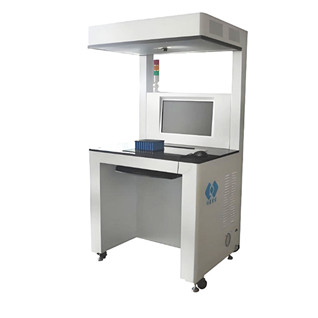
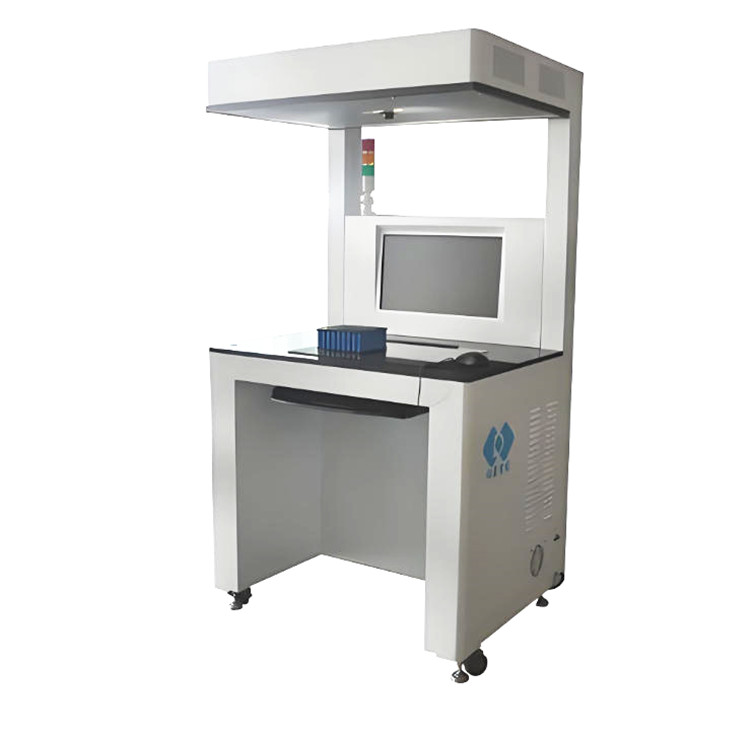
Polarity CCD Detector
I. Core Functions
●Prevent short circuits and burnout: Reverse polarity can directly cause short circuits, ignition, and scrapping of the entire battery pack.
●Ensure correct series-parallel connection: Guarantee consistent orientation of all cells in the module / cluster.
Replace manual inspection: High speed, stability, zero missed detection, and full traceability.
Cylindrical Cell PACK CCD Polarity Inspection
I. Core Functions
●Prevent short circuits and burnout: Reverse polarity can directly cause short circuits, ignition, and scrapping of the entire battery pack.
●Ensure correct series-parallel connection: Guarantee consistent orientation of all cells in the module / cluster.
Replace manual inspection: High speed, stability, zero missed detection, and full traceability.
II. System Composition (Standard Configuration)
●CCD industrial camera: 5MP to 20MP, global shutter
●Lens + light source: Telephoto / fixed focus; coaxial light / ring shadowless light (to highlight pole structure)
●Industrial PC + vision software: OpenCV, Halcon, HVision, template matching / AI classification
●Mechanism: Assembly line / tray, positioning fixture, alarm light, rejection mechanism
III. Inspection Principle (Typical Characteristics of Cylindrical Cells)
Cylindrical cells have stable structural differences between positive and negative electrodes, which serve as the basis for visual recognition:
●Positive electrode (+): Flat / slightly concave, with annular groove, marked “+”, no explosion-proof valve
●Negative electrode (-): With explosion-proof valve (bump / cross / straight line), slightly convex center, marked “-”
Process Flow
1.Cell / module in position → Image capture
2.Preprocessing (noise reduction, enhancement, edge extraction)
3.Feature extraction (pole shape, explosion-proof valve, characters, grayscale difference)
4.Match with standard template → Judge OK / NG
5.Output signal, alarm, mark reverse position
IV. Typical Inspection Solutions
1. Full tray / full cluster inspection (most commonly used)
●Application: 18650 / 21700 full trays (5×10 / 6×12, etc.)
●Camera: Single / dual camera top view
●Efficiency: 1–2 seconds per tray (≈100 cells)
●Output: Reverse cell coordinates, NG alarm, data upload to MES
2. Online assembly line inspection
●Application: High-speed line, cells passing one by one
●Camera: Side view / oblique view to capture end face
●Matching: Optical fiber trigger, encoder synchronization
3. AI deep learning solution (high precision)
●Training: Massive positive / negative electrode samples → model
●Advantages: Adapt to dirt, deformation, blurred characters, stronger robustness
●Model change: Switch model / arrangement within 10 minutes
V. Key Technical Indicators
●Detection accuracy: ≥99.99%, missed detection rate ≈ 0
●Speed: Single cell < 200ms; full tray < 2s
●Compatibility: 18650 / 21700 / 26650 / 32650, etc.
●Communication: I/O, TCP/IP, MES docking
●Positioning: ±0.1–0.5mm
VI. Production Line Station Position
Feeding → CCD Polarity Inspection → (Rejection) → Spot Welding / Laser Welding → Subsequent Processes
VII. Common Faults and Optimization
●Misjudgment: Unstable light source, dirty pole, incorrect template → Optimize lighting, clean, recalibrate
●Missed detection: Inaccurate focusing, slow shutter, weak features → Replace coaxial light, increase pixels, enable AI
●Slow model change: Fixed scheme → Save multiple schemes, one-key switch
VIII. Equipment Selection Key Points
1.Field of view: Match tray / module size
2.Pixels: ≥12MP for small cells (18650); ≥5MP for large cells
3.Light source: Coaxial light preferred (clearest pole structure)
4.Software: Support template matching + AI, MES, data log
5.Mechanism: Positioning accuracy, rejection stability, protection level